
With the European Commission’s recent publication of draft guidelines on AI transparency obligations (Article 50 of the EU AI Act), organizations now have clearer direction on how biometric and emotion-related AI systems will be regulated.
Crucially, despite broader Digital Omnibus adjustments delaying certain high-risk AI provisions, transparency obligations under Article 50 remain a near-term compliance priority. The core transparency framework is officially on track to apply from August 2, 2026.
As AI becomes more present in public spaces, these new guidelines signal strict transparency expectations for deployers.
Article 50(3) focuses specifically on AI systems that use biometric data for emotion recognition or categorization. Note: Under the AI Act, emotion recognition systems are strictly prohibited in workplaces and educational institutions. However, where these systems are legally deployed, people must be clearly informed that they are being exposed to them.
Practical Example
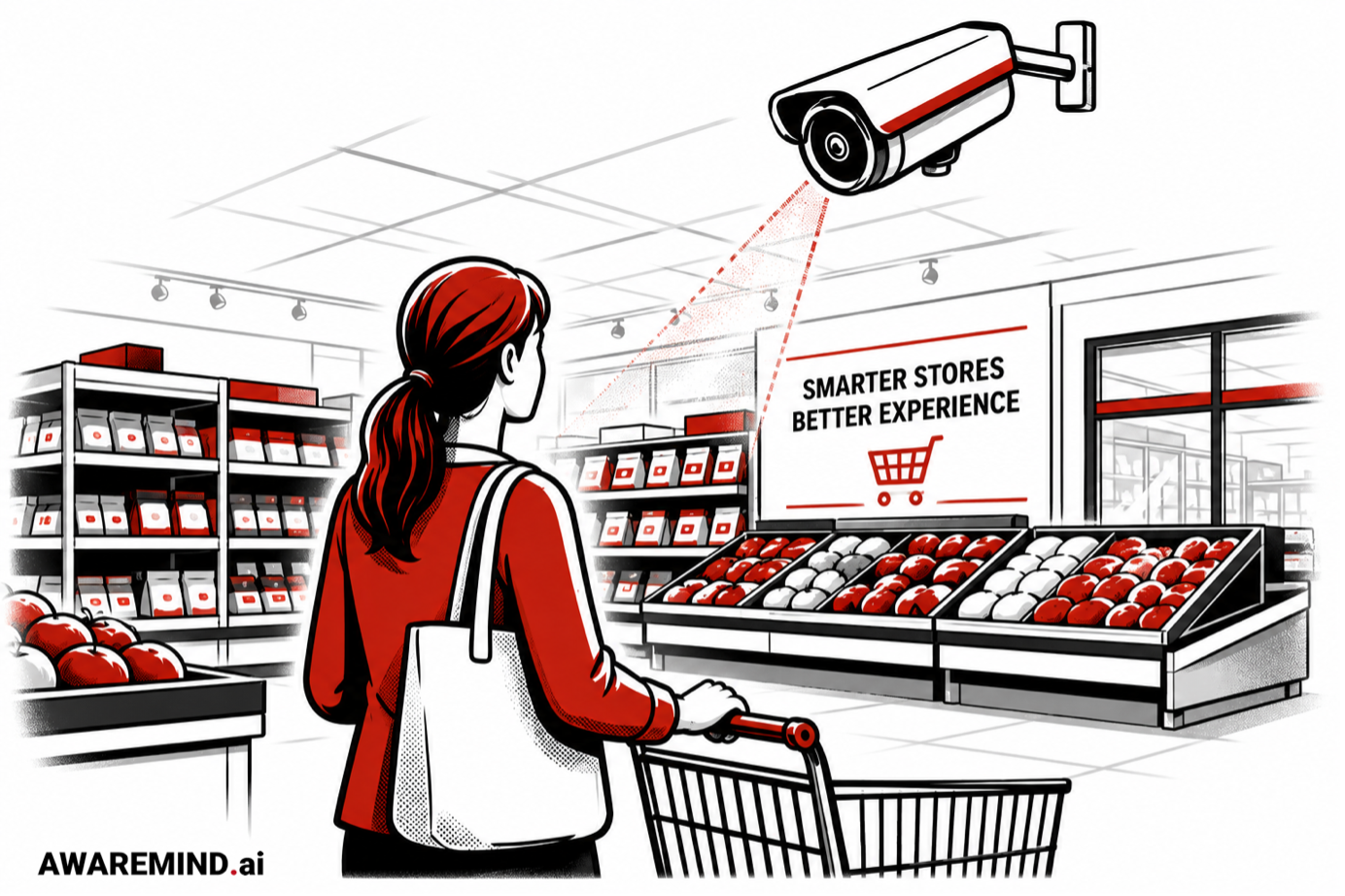
Imagine entering a supermarket where AI-powered cameras analyze customer expressions or demographic traits to improve store layouts or personalize digital promotions.
Under the EU AI Act, customers must be clearly notified that this system is operating. According to the draft guidelines, this could include:
- Visible signage
- Digital notices
- Entry-point disclosures (which must be provided prior to, or at the exact moment of, first exposure)
Why It Matters
This rule reinforces a simple principle: people have the right to know when AI is analyzing sensitive personal characteristics.
For businesses, this means transparency can no longer be buried in a privacy policy online; it must become a physical and digital part of your operational design.
Strategic Takeaway
As AI governance evolves, organizations must focus not only on innovation, but also on lawful deployment, public trust, and regulatory preparedness. The transparency conversation is very much still live, and the 2026 deadline will be here before we know it.
Awaremind.ai continues to monitor these developments as transparency becomes a defining feature of responsible AI.